Research Proposal - The trap of freedom
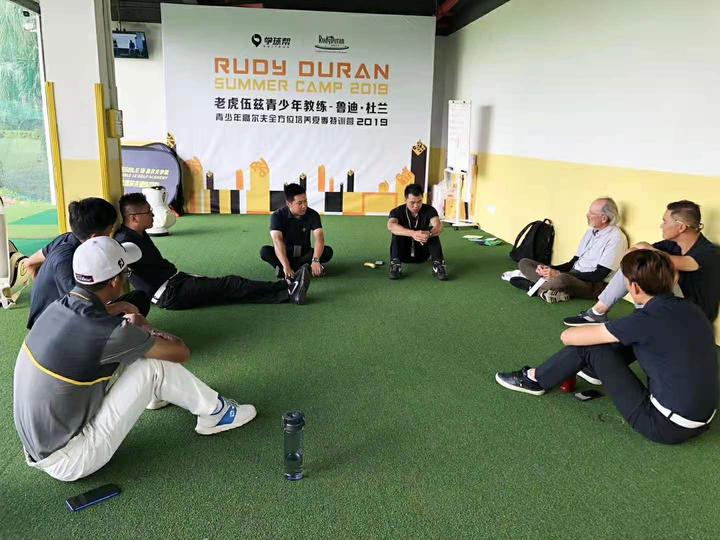 Photo taken in fieldwork
Flexibility in the workplace is often portrayed as a positive image in the public discussion: the temporal and locational flexibility allow workers to better coordinate their lives and work responsibilities. Employers use ‘flexibility’ as an attraction to advertise their job positions, claiming that their employees could gain more control about when, where, and how long they work. The advancement of technology and the innovation of the post-Fordist production system prompt the rise of the fragmentation of tasks, the decentralized and dispersed working locations, and part-time jobs. The growing popularity of flexible jobs invites labor sociologists to critically examine the employment precariousness, income insecurity, and the gendering of flexible work. Yet, the distinctive role of schedule flexibility playing in the labor process is not fully discussed. Moreover, schedule flexibility exists in a much wider context besides the newly emerged flexible jobs. It plays an important role in many conventional yet rarely studied professions, such as the sports industry, media and cultural industry, and academic institutions. While the word flexibility seems at odds with control, this research intends to examine the role of schedule flexibility in the labor process control and its gendered outcome, with an empirical investigation of the working experience of female and male golf coaches in China.
This research is inspired by the survey results on Chinese golf coaches. Nearly half of the coaches used the words ‘free’ or ‘schedule is free’ when asked to depict the features of their work. In the meanwhile, many coaches describe their work with ‘time is not in my control’. In the golf training industry, coaches in principle only need to teach during the time they schedule with their clients. However, the schedule flexibility in the training industry is nominal. Coaches have minimum control over the labor process, since the clients take the initiative in the arrangement of teaching schedule and are not obligated to be punctual. In addition, coaches are assumed to do invisible work outside the scheduled teaching time, such as providing extra lessons and giving advice to clients in personal social media contact. Coaches are obliged to do these tasks because the main component of their salary is the commission for clients purchasing course packages, so that they have to stabilize client resources through voluntary work. The coverage of working content and the length of working hours are implicitly extended to cater to the need of clients. The employers achieve labor process control through the combination of the flexibilization of coaches’ working schedule and the commission-based payment system.
Following the above preliminary analysis, the research aims at digging deeper into the role of schedule flexibility at play in the labor process control, by answering the questions – how do golf coaches perceive the schedule flexibility, and what is the rationale of employers to employ a flexible arrangement of working schedule? In addition, as the golf training industry is a male-dominated field, the detailed arrangement of working schedule is likely to be gendered. This research, therefore, intends to further investigate the gendered outcome of schedule flexibility by asking how do female and male coaches perceive flexibility respectively, and how do female and male coaches arrange their working schedule differently?

Yuqing Li
Master Student
My research interests include sociology of labor, gender and sexuality, sociology of sports, mix methods.